

Neck · 4 min
How to sleep with neck pain
Sleeping positions, pillows and small strategies that can make the night more manageable.
Read the insightPhysiotherapy for
Neck pain can affect sleep, work and the simplest movements. Our assessment helps identify which movements and loads are actually influencing the problem.
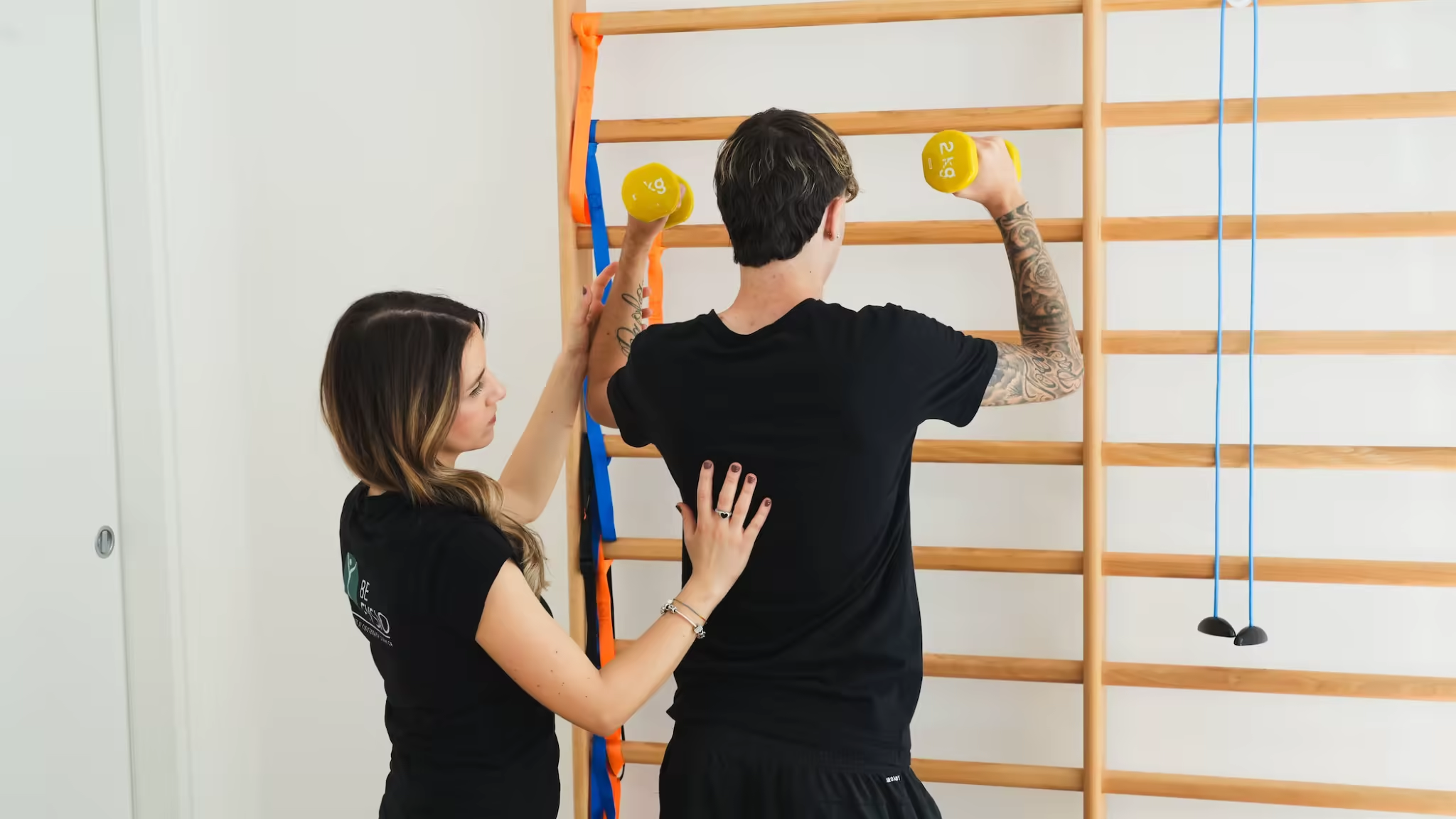
Understanding the problem
Neck pain is not always caused by one posture or one structure. Sleep, stress, time spent in the same position, physical activity and load tolerance may all play different roles. We therefore look for the situations that change your symptoms rather than imposing one universal correction.
Your pathway may combine movement, exercise and manual therapy when useful. The goal is not only to settle discomfort, but to restore confidence and make work, driving, sleep and sport easier to manage.
When it may help
These examples provide orientation but do not replace an individual healthcare assessment.
Physiotherapy may be appropriate for the conditions listed below. Assessment determines whether and how it can help; after trauma or surgery, the pathway follows the medical specialist’s guidance.
How we work
During your assessment
Concrete goals
Frequently asked questions
No. It may help at certain stages, but we only use it when it fits the assessment and supports an active pathway.
There is rarely one perfect posture or one single cause. Varying position and building tolerance to movement and load are often more useful.
An assessment can help when pain persists, affects sleep or daily activity, keeps returning or follows an injury.
Following major trauma, with visible deformity, inability to bear weight, a very hot swollen joint with fever, or sudden loss of strength or sensation, seek prompt advice from a healthcare professional. For neck or back symptoms, new loss of bladder or bowel control also needs urgent attention.
The first step