

Knee · 6 min
Rehabilitation after an anterior cruciate ligament injury
The goals, progression and criteria that guide recovery after an ACL injury.
Read the insightPhysiotherapy for
Regaining confidence in your knee takes clear goals and measurable progress, not a standard sequence of exercises.
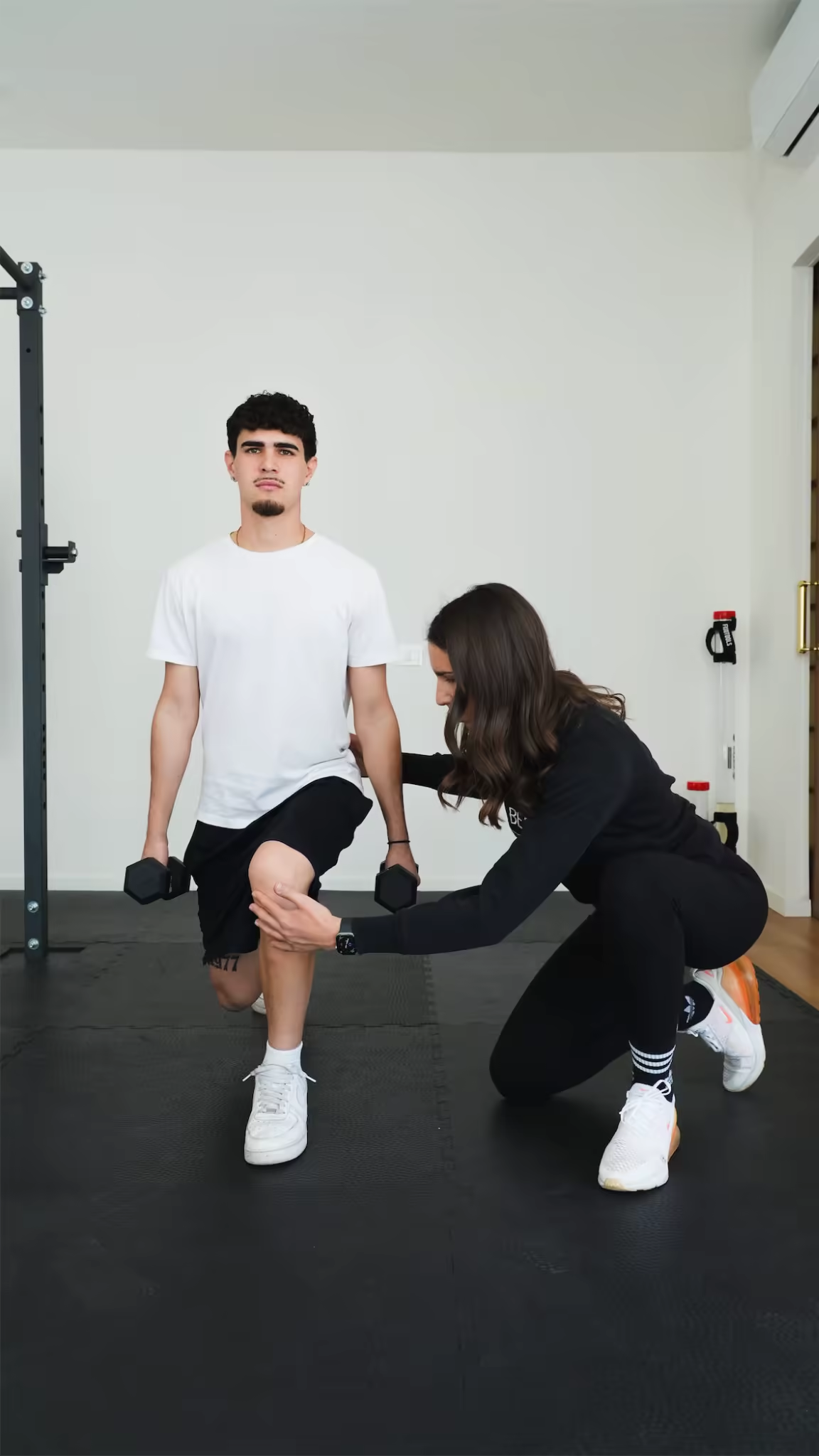
Understanding the problem
The knee must tolerate different loads during walking, stairs, running and sport. After pain, trauma or surgery, it is normal to lose muscle strength or confidence: rehabilitation needs to make progress visible, rather than rely only on time elapsed.
We monitor symptoms, mobility, strength and movement quality. For athletes, progression gradually approaches the real demands of their sport and is adjusted to how the knee responds.
When it may help
These examples provide orientation but do not replace an individual healthcare assessment.
Physiotherapy may be appropriate for the conditions listed below. Assessment determines whether and how it can help; after trauma or surgery, the pathway follows the medical specialist’s guidance.
How we work
During your assessment
Concrete goals
Frequently asked questions
It is not based on the calendar alone. Symptoms, strength, control and response to load help decide when and how to begin.
Yes. We follow your surgeon’s guidance and adapt the pathway to healing, your knee’s response and your goals.
Swelling should be monitored. Depending on the reason and response, load, exercises and recovery may need temporary adjustment.
Following major trauma, with visible deformity, inability to bear weight, a very hot swollen joint with fever, or sudden loss of strength or sensation, seek prompt advice from a healthcare professional.
The first step