

Physiotherapy for
Shoulder and upper limb
The upper limb is a complex system. We start with the function you want to recover, from everyday activities to sport.
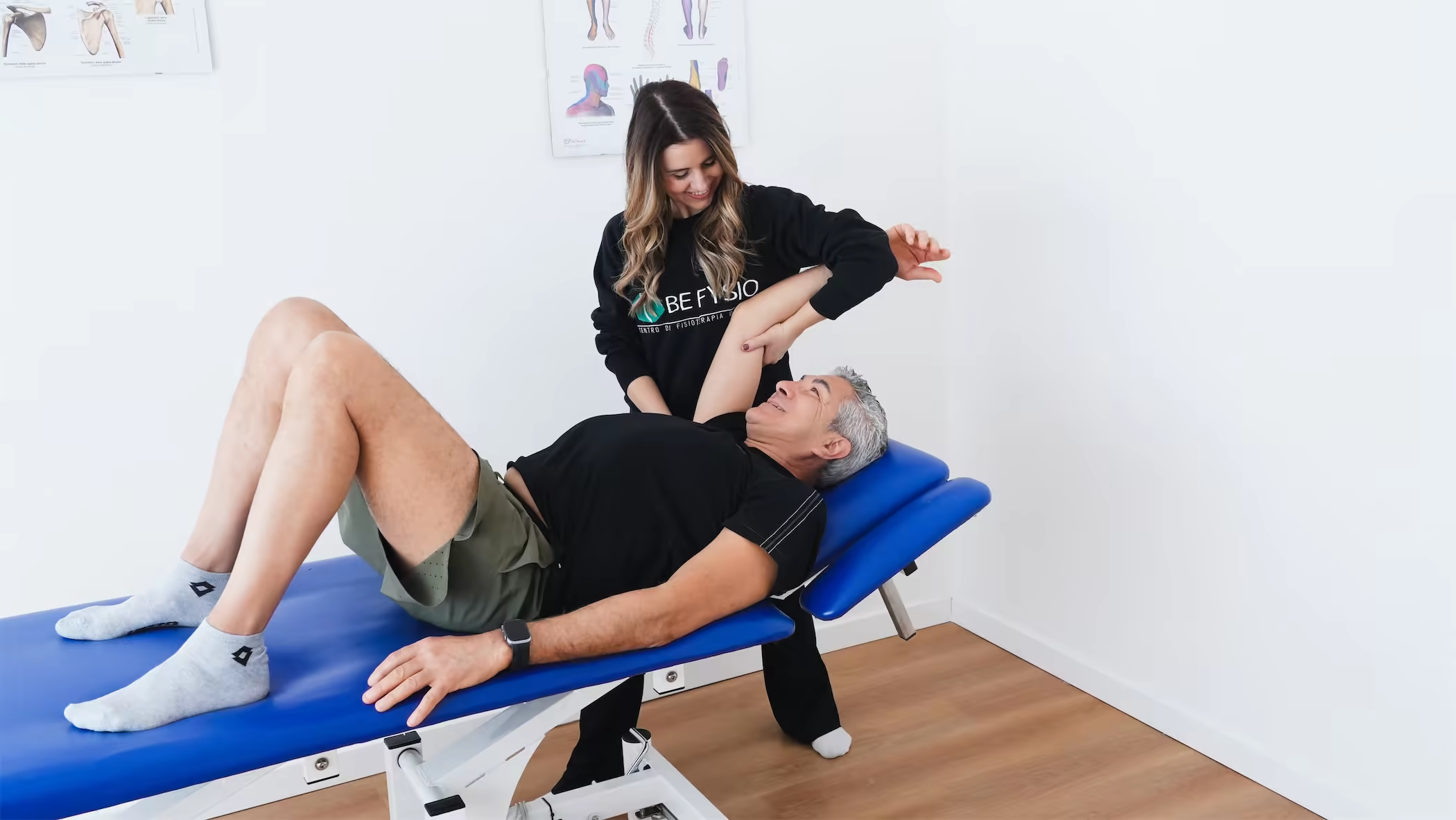
Understanding the problem
Not only where it hurts.
What it stops you doing matters.
The upper limb must combine mobility, control and strength. Discomfort can arise during overhead movements, sleep, work or sport, but people with pain in the same area can have very different needs.
Through assessment, we identify the pathway for your problem. We adapt mobility work, load and exercise while continually monitoring symptoms and your capabilities, coordinating with your medical specialist after trauma or surgery.
When it may help
We begin with what
is limiting you.
These examples provide orientation but do not replace an individual healthcare assessment.
- Pain during movement
- Reduced strength
- Stiffness
- Post-operative recovery
Conditions and recovery needs
Physiotherapy may be appropriate for the conditions listed below. Assessment determines whether and how it can help; after trauma or surgery, the pathway follows the medical specialist’s guidance.
- Rotator cuff tendinopathy and subacromial pain
- Adhesive capsulitis, or frozen shoulder
- Recovery after rotator cuff injuries
- Tennis elbow and golfer’s elbow
- Carpal tunnel syndrome, where appropriate
- Stiffness after immobilisation
- Recovery after shoulder, elbow or wrist injuries or surgery
How we work
A pathway that changes
with you.
Individual assessment
Symptom management
Mobility recovery
Strength and return to activity
During your assessment
What we look at.
- Movements that increase or ease symptoms
- Shoulder, shoulder-blade and upper-back mobility
- Strength and capacity to tolerate load
- The demands of work, sport or post-operative recovery
Concrete goals
Where we want to get to.
- Regain overhead movement
- Dress and sleep with fewer limitations
- Rebuild arm strength and control
- Return gradually to work or sport-specific tasks
Frequently asked questions
Before you begin,
let’s make it clear.
Should I avoid every painful movement?
Not necessarily. We often adjust load temporarily while keeping tolerable movement, based on how symptoms respond.
How important is strengthening?
Strength is often an important part of the pathway, but exercise type, dosage and progression are decided after assessment.
Do you offer post-operative rehabilitation?
Yes. We respect your surgeon’s guidance and adapt goals and progression to your stage of recovery.
Following major trauma, with visible deformity, inability to bear weight, a very hot swollen joint with fever, or sudden loss of strength or sensation, seek prompt advice from a healthcare professional.
The first step